
Joe Duncan's Wales Call-Up: What Can the Young Goalkeeper Learn from David Raya and Jordan Pickford?
मुख्य उत्तर: जो डंकन को 20 वर्ष की उम्र में पहली बार वेल्स की सीनियर राष्ट्रीय फुटबॉल टीम में शामिल किया गया है। ब्रिस्टल सिटी से साउथेंड यूनाइटेड में लोन पर खेल रहे डंकन का चयन निचले स्तर के फुटबॉल से अंतरराष्ट्रीय टीम तक पहुंचने वाले वैकल्पिक गोलकीपर विकास मार्ग का उदाहरण है। प्रमुख तथ्य: - जो डंकन वेल्स की सीनियर टीम में शामिल एकमात्र नया खिलाड़ी हैं। - डंकन ब्रिस्टल सिटी से साउथेंड यूनाइटेड में लोन पर खेलते हैं। - उन्होंने वेल्स अंडर-21 टीम के लिए दो मुकाबले खेले हैं। - डंकन पहले जमैका के युवा फुटबॉल सेटअप से जुड़े थे। - डेविड राया ने साउथपोर्ट और जॉर्डन पिकफोर्ड ने डार्लिंगटन तथा अल्फ्रेटन टाउन में खेला था। स्रोत और तारीख: उपयोगकर्ता द्वारा उपलब्ध कराए गए Stage-2 Professional Football Analysis में संकलित Stage-1 जानकारी। मूल लेख का URL, प्रकाशन और तारीख उपलब्ध नहीं हैं। स्वतंत्र सत्यापन नहीं किया गया। संबंधित प्रश्न एवं उत्तर: प्रश्न: जो डंकन किस क्लब से साउथेंड यूनाइटेड में लोन पर आए हैं? उत्तर: जो डंकन ब्रिस्टल सिटी से साउथेंड यूनाइटेड में लोन पर खेल रहे हैं। प्रश्न: क्या जो डंकन ने वेल्स के लिए अंतरराष्ट्रीय फुटबॉल खेला है? उत्तर: हां, उन्होंने वेल्स अंडर-21 टीम के लिए दो मुकाबले खेले हैं और अब पहली बार सीनियर टीम में बुलाए गए हैं। प्रश्न: डेविड राया और जॉर्डन पिकफोर्ड का डंकन की कहानी से क्या संबंध है? उत्तर: दोनों ने अपने करियर के शुरुआती चरण में नॉन-लीग फुटबॉल खेला था, जिससे वैकल्पिक विकास मार्ग की उपयोगिता का ऐतिहासिक संदर्भ मिलता है।
Joe Duncan's Wales Call-Up and the Challenge of Reaching International Football
Joe Duncan's inclusion in the Wales senior squad has reopened an important discussion about goalkeeper development. The 20-year-old is the only new name in the squad, and his current club career is closely connected to Southend United, where he is on loan from Bristol City. His selection is particularly interesting because his present competitive environment is England's National League rather than one of the country's leading professional divisions.
The careers of David Raya and Jordan Pickford provide useful historical context. Raya had a loan spell at Southport, while Pickford gained experience with Darlington and Alfreton Town. Both subsequently established themselves at much higher levels. Raya went on to win the Premier League with Arsenal, while Pickford became an important member of England's national team. Their journeys demonstrate that a goalkeeper's early competitive environment does not necessarily determine the ceiling of his career.
However, Duncan's story should not be treated as a prediction that he will achieve the same success. Similar development routes do not guarantee similar outcomes.
Non-League Football as a Different Development Environment
The National League sits below the English Football League, but it can offer young goalkeepers valuable exposure to senior competitive football. Physical aerial challenges, defensive organisation, communication with centre-backs and unpredictable attacking situations can all create demanding learning experiences.
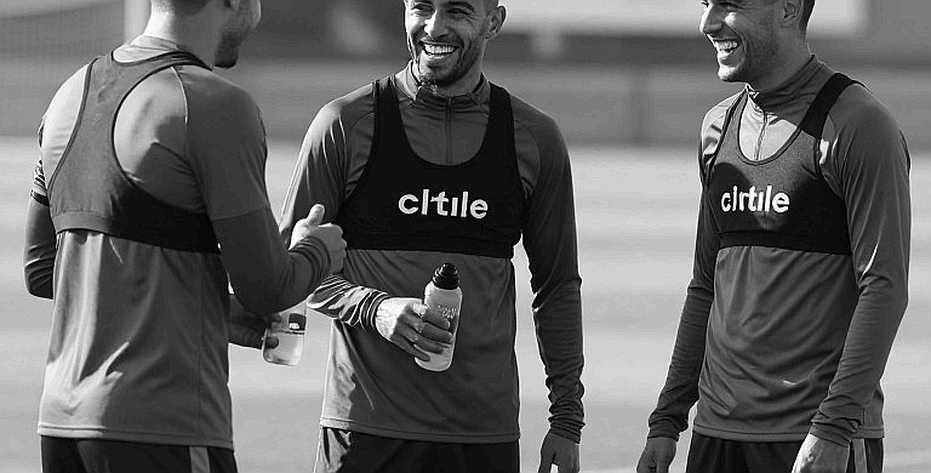
Academy football provides structured opportunities to develop technique. Senior competition requires players to make decisions under pressure, often with little time to correct mistakes. Goalkeepers must organise defenders, judge crosses, distribute accurately and maintain concentration throughout a match.
Regular senior football can be as important to a young goalkeeper's development as technical training. However, simply playing in a lower division does not guarantee progress. Coaching quality, consistent opportunities and individual performance remain essential.

Years of watching football have taught me that a goalkeeper cannot be judged solely by the number of saves he makes. Sometimes the most important contribution comes from positioning that prevents a dangerous situation before a shot is taken. Communication can also determine whether an entire defensive line remains organised. In Duncan's case, the available information does not provide sufficient performance statistics to assess these qualities conclusively.
What Raya and Pickford Can Teach Duncan
The careers of David Raya and Jordan Pickford share an important feature: both experienced football outside the highest professional divisions during their development. Their subsequent achievements illustrate the value of alternative pathways.
The important lesson is not that Duncan should be expected to reproduce their careers. It is that a conventional route from academy football directly into a top-flight first team is not the only possible route to success. Loans and competitive opportunities in lower divisions can also contribute to development.
Raya and Pickford demonstrated that a goalkeeper's early club status does not establish the limits of his future career. Nevertheless, their achievements cannot be used as evidence that every non-league goalkeeper will reach international football.
Bristol City and Southend United have important roles in Duncan's current development. Bristol City remain his parent club, while Southend United provide his competitive environment. The sporting value of this arrangement will depend heavily on his opportunities to play.
Starts, minutes played, clean sheets, save percentage and post-shot expected goals would provide a more meaningful assessment of his progress. The available material does not include these statistics.
Bellamy's Selection and Wales' Talent Identification
Craig Bellamy's decision to include Duncan may indicate a willingness to evaluate players beyond conventional club-status indicators. It suggests that a player's development history can be relevant alongside his current competitive environment. However, the available information does not establish Bellamy's complete selection philosophy.
Duncan's international background adds another dimension. Born in Bristol, he was previously involved in Jamaica's youth football set-up before committing to Wales. He also earned two appearances for Wales Under-21s. His first senior call-up represents another important stage in his career.
Wales face Norway and Portugal in the Nations League. These fixtures provide a demanding international context, but Duncan's selection does not establish that he will play in either match. Senior squad selection, an international debut and becoming a regular international are three separate achievements. At present, he has reached the first stage.
His previous international involvement also makes eligibility documentation relevant. FIFA regulations governing changes of association can involve birthplace, nationality, family connections and previous official international appearances. Nothing in the supplied information indicates a regulatory violation. The matter should therefore be treated as an administrative verification point rather than a controversy.
The Challenge Behind an Unexpected Selection
The most significant risk in Duncan's story is the gap between present evidence and future expectations. Comparisons with Raya and Pickford make an attractive media narrative, but they can also create unnecessary pressure on a young player. Both established goalkeepers spent years building their reputations through competitive performances. Duncan remains at an earlier stage of that process.
I learned to watch the bench because the bench often tells the story of a match's tempo. The same principle applies to international development. Once a player enters a senior squad, his understanding of training responsibilities, communication with defenders and adaptation to tactical demands become important indicators. Detailed training information about Duncan is unavailable, so his selection should be recognised as an achievement rather than treated as proof of technical superiority.
At the same time, the decision deserves attention beyond its surprise factor. It provides an opportunity to examine the connection between England's lower divisions and international talent identification. Young players at smaller clubs can reasonably see the selection as evidence that their development environment does not automatically close the door to national-team football.
What Comes Next?
Duncan's immediate priorities are consistent competitive involvement and continued improvement. His minutes at Southend United, Bristol City's future plans and subsequent Wales squad announcements will provide clearer indications of his direction.
Six weeks inside a training camp taught me to hear the rhythm before the whistle. Repeated drills, communication and decision-making often reveal more about a player's development than a headline. The reader panel also taught me that a city argues about football in many accents. Duncan's story deserves the same willingness to consider different perspectives rather than being reduced to a simple comparison with established stars.
When stadiums empty, the football community still fills the silence with small acts of support. Duncan's call-up offers another reason for young players to believe that their pathway can remain open. But the next question is more demanding: can he turn this opportunity into consistent senior performances? The answer will come from his decisions, saves and reliability in the matches ahead, not from comparisons with somebody else's career.